Sustainable Cleaning Solutions
Helping customers reduce resource consumption in cleaning operations
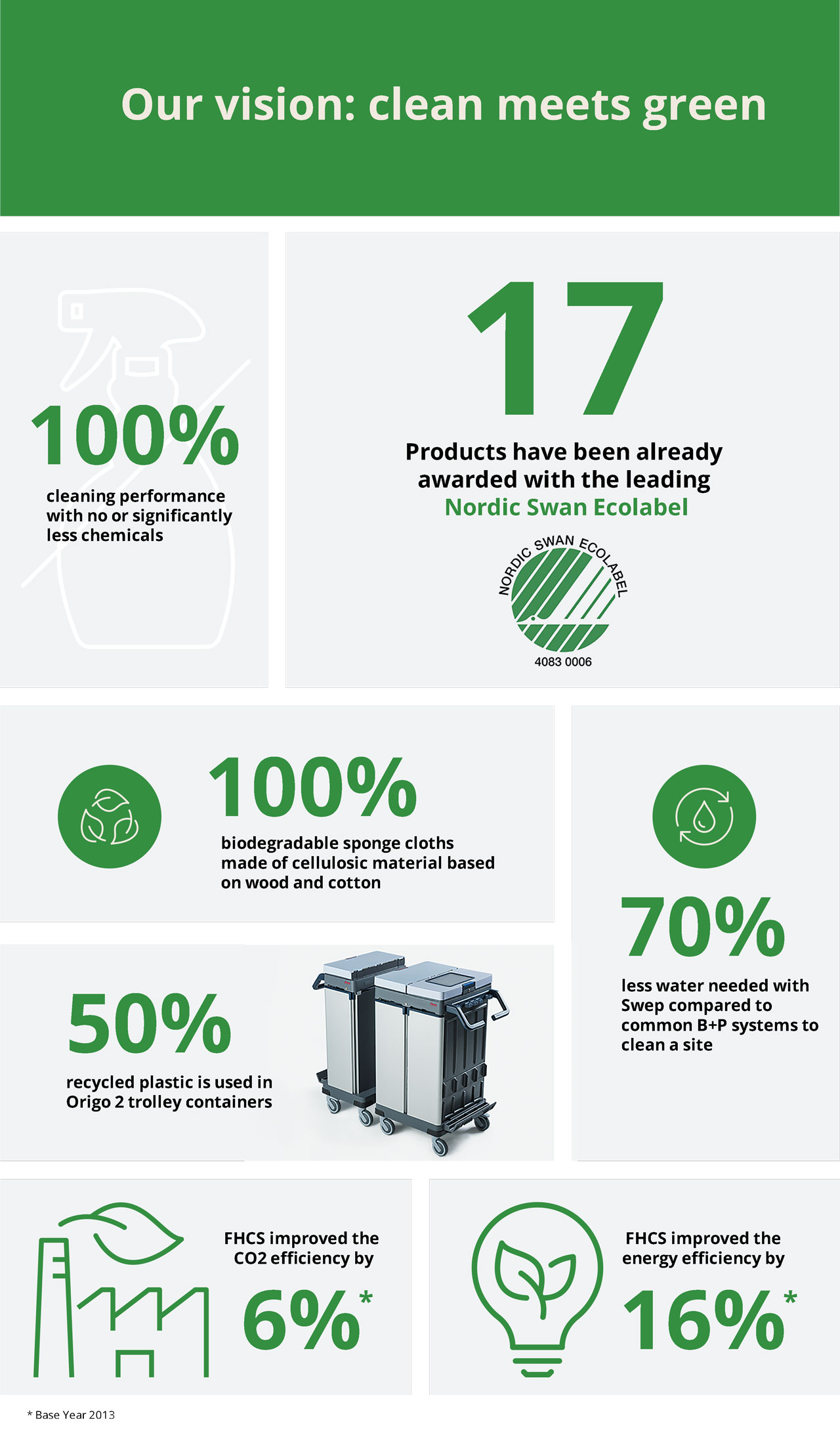
At Vileda Professional, we develop cleaning systems designed to deliver effective cleaning performance while helping users optimise the use of resources such as water, chemicals and cleaning textiles. Sustainability considerations form part of our product development process, alongside cleaning performance, durability, ergonomics and user safety.
As part of Freudenberg Home and Cleaning Solutions, we work to improve the environmental performance of our operations, products and packaging through ongoing programmes focused on materials, manufacturing, logistics and waste reduction.
Considering environmental impacts across the product lifecycle
When developing products, we assess environmental impacts across multiple stages of the lifecycle, including raw materials, manufacturing, transportation, use and end-of-life management where applicable.
Many of our product developments focus on:
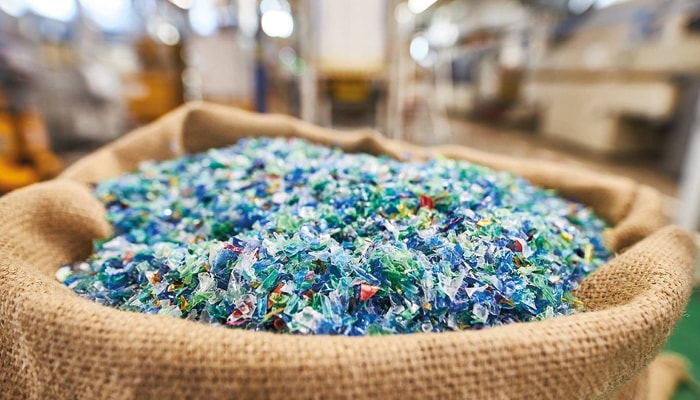
- Increasing the use of recycled materials where technically feasible.
- Improving product durability to support longer service life.
- Reducing the amount of water and chemicals required during use.
- Improving recyclability of packaging and selected product components.
- Supporting ergonomic working practices for cleaning professionals.
Specific environmental benefits vary by product and system and should be considered alongside the supporting product documentation and certifications where applicable.
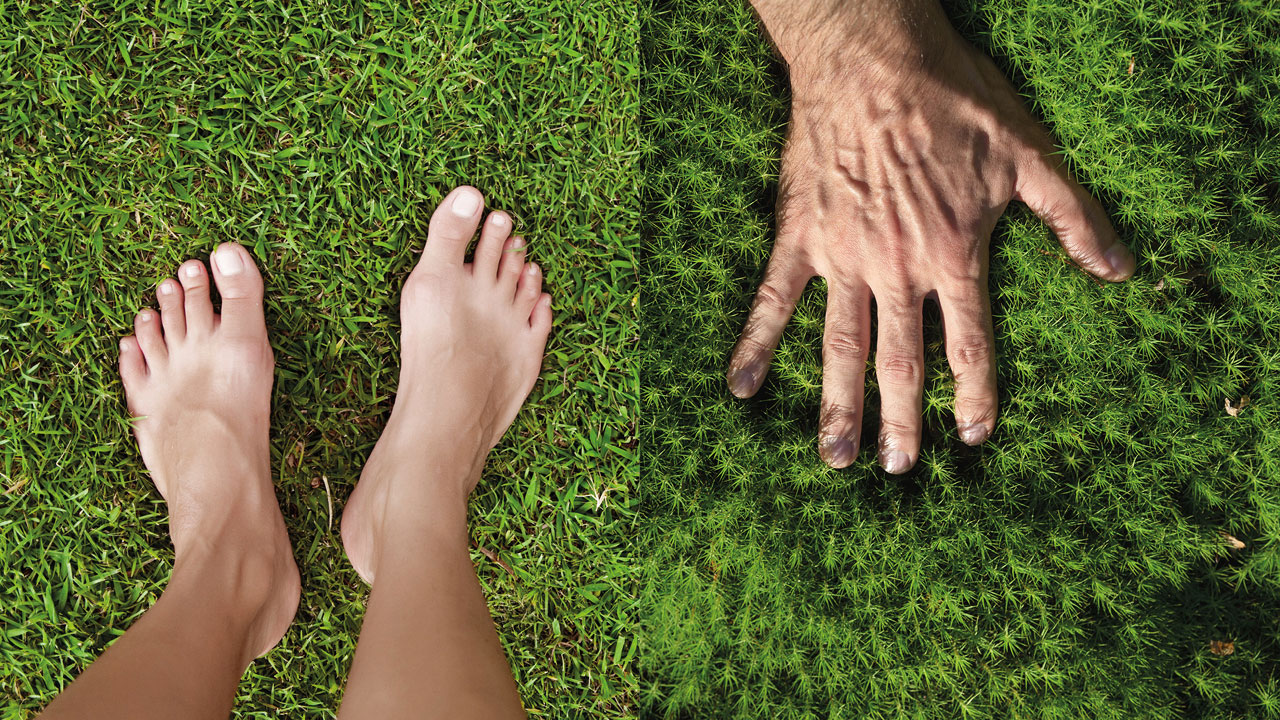
Small ecological footprints and large handprints
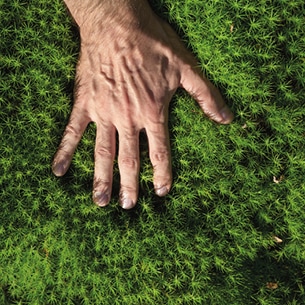
At Freudenberg, the sustainability of our products is measured in two dimensions; we assess our direct contribution by the footprint and handprint of our ecological cleaning products and systems.

Continuous Improvement
The ecological footprint of a company is of course the most striking indicator when it comes to assessing sustainable efforts. The handprint is less prominent but has an important influence on the entire sustainability cycle, so it has always been in our focus. By reflecting both dimensions – footprint and handprint – in our product design, we create significant value over the entire life cycle of the respective products and sustainable cleaning solutions. We firmly believe that this circular thinking and doing in business is the way into the future.
We are continually looking for ways to improve the full lifecycle of our products. We are piloting many projects to improve our internal processes and entered into partnerships with leading companies in the sector to extract the maximum value from our resources in use and at the end of their life.
As a part of our initiative, Freudenberg Home and Cleaning Solutions have committed to ambitious sustainability targets for 2025.
We are proud to announce that we are a signatory of the Ellen MacArthur Foundation’s New Plastics Economy Global Commitment. As such we
- commit to review 100% of all products globally and eliminate problematic or unnecessary packaging by 2025.
- strive to achieve 100 percent of all packaging to be recyclable, reusable or compostable by 2025.
- aim to achieve 50% recycled content across all packaging and 25% recycled content in plastic packaging in 2025
- will increase the amount of recycled material of our solid plastic products from currently 46 percent to 50 percent by 2025
- will explore options to further change from single to multi-use containers in warehouse/factory logistics and B2B transportation.
Sustainable Solutions at a Glance
Our approach focuses on:
- Durable cleaning systems
- Resource-efficient cleaning methods
- Recycled materials where appropriate
- Responsible product development
- Continuous environmental improvement